Seven Exercises in Noticing: Training Your Eyes the Way Leonardo Trained His
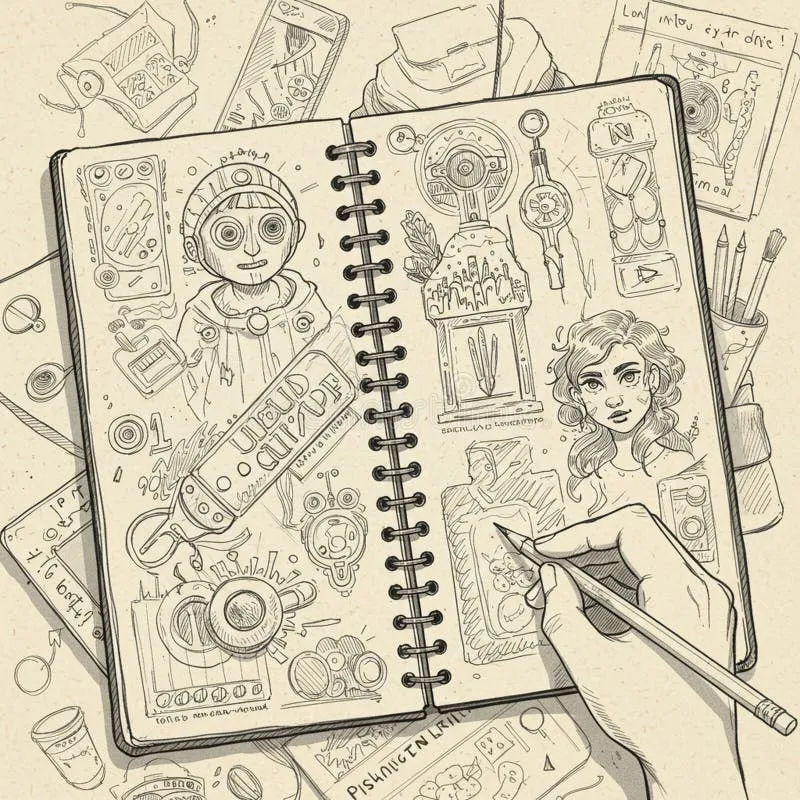
Photo: vintage sketchbook pencil drawing hand observation notebook, via thumbs.dreamstime.com
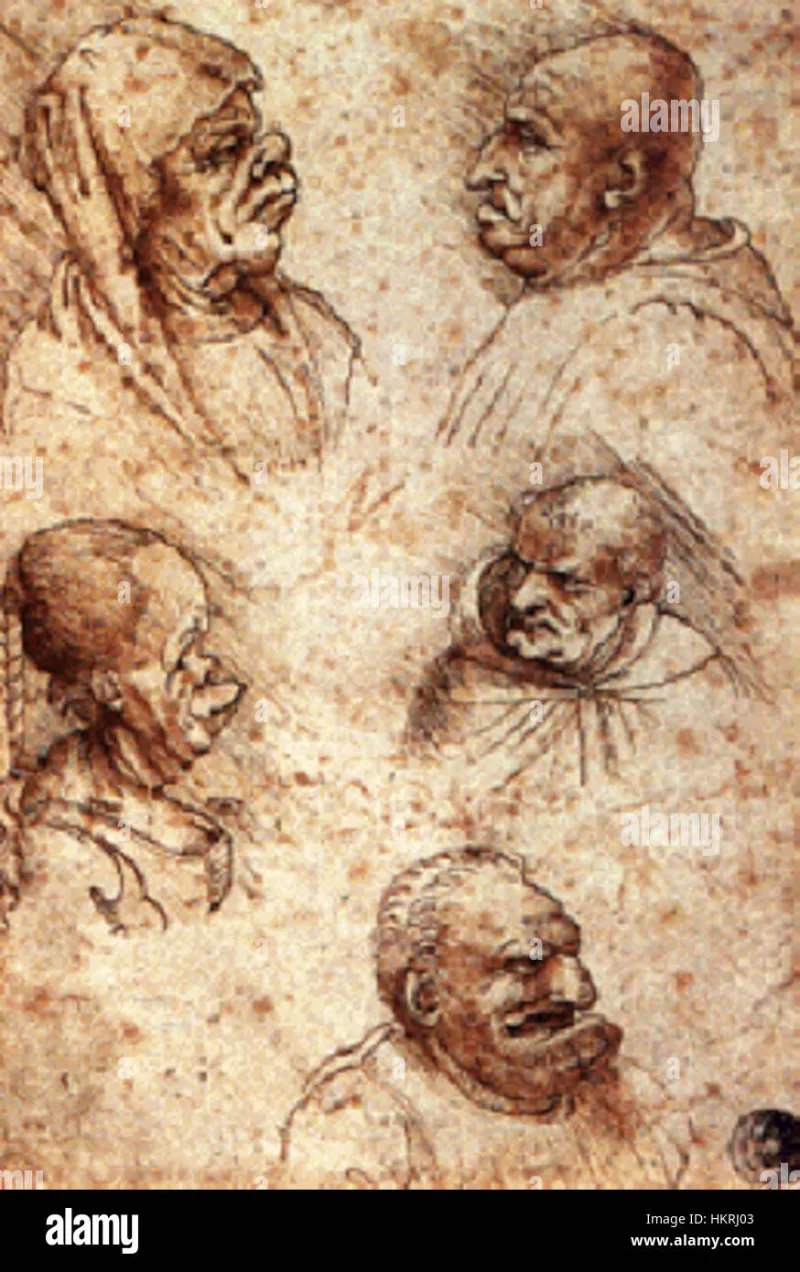
Leonardo da Vinci believed that most people look without seeing. He had a word for the alternative: saper vedere — knowing how to see. His notebooks are essentially a training manual for it, thousands of pages of observations that turned everyday phenomena into discoveries.
The good news is that his methods require no talent, no studio, and no free afternoon in Florence. They require a few minutes and a willingness to slow your eyes down. Here are seven practices, each rooted in something Leonardo actually did.
1. Sketch the Same Object Three Ways
Leonardo drew the same subjects repeatedly — lilies, hands, knots — from slightly different angles each time.
Try this today: Pick any object on your desk or kitchen counter. Sketch it quickly three times: once at eye level, once from above, once from the side. Don't aim for accuracy. Aim for noticing what changes.
2. Keep a Comparative Notebook
His journals pair observations side by side: how water spirals, how a curl of hair spirals, how smoke rises the same way.
Try this today: Start a note on your phone labeled "resembles." Every time something looks or behaves like something else — a shadow like a face, traffic like a river — write the pairing down.
3. Stare at a Wall
Leonardo famously recommended gazing at stains, clouds, and cracked walls until the imagination supplied images. It's deliberate, productive daydreaming.
Try this today: Spend two unbroken minutes looking at any textured surface — a ceiling, brick, tree bark — and let your mind finish the picture.
4. Describe a Sound in Writing
Leonardo described sound with the precision he gave to light and anatomy, comparing bells, echoes, and rivers.
Try this today: On your commute, close your eyes for sixty seconds and write down every distinct sound you hear. Then rank them by which you'd miss most.
5. Study Movement by Freezing It
His anatomical work was fundamentally an attempt to freeze motion — how a wing lifts, how a leg bears weight.
Try this today: Watch a bird, a dog, or a person walking, and try to describe in one sentence exactly which part moves first.
6. Ask "Why" of the Ordinary
The notebooks are full of questions about mundane things: why the sky is blue, why the heart has chambers, why the tongue of a woodpecker works the way it does. Yes — the woodpecker.
Try this today: Choose one ordinary thing you used today — a zipper, a faucet, a paper cup — and spend five minutes figuring out how it actually works.
7. Review Yesterday's Eyes
Leonardo reread and revised his old notes constantly, treating his own observations as raw material to be refined.
Try this today: At day's end, look back at whatever you noticed in exercise one through six and add one sentence you couldn't have written that morning.
None of these will make you Leonardo. That was never the point. But they might make your block, your kitchen, and your commute slightly more interesting places to be — which, as far as he was concerned, was the whole game.