The Residence Model: What Today's Museum Donors Keep Missing About Renaissance Patronage
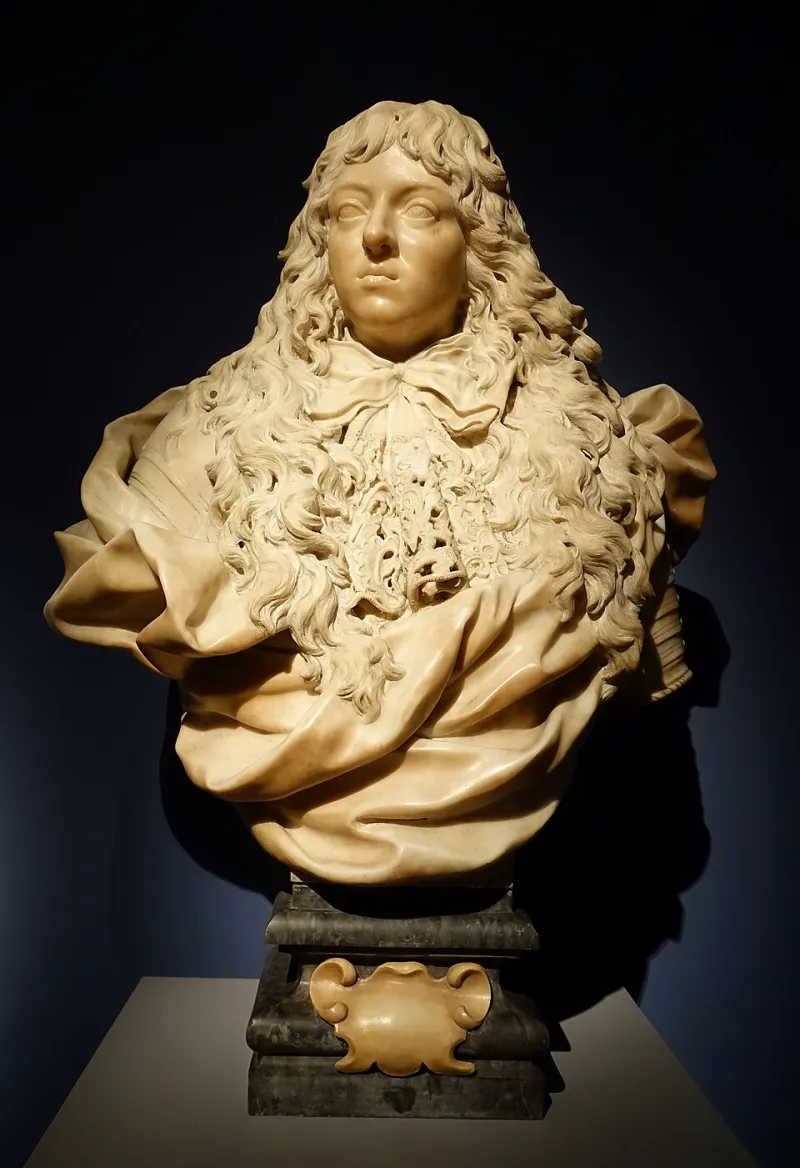
Photo: Daderot, Public domain, via Wikimedia Commons
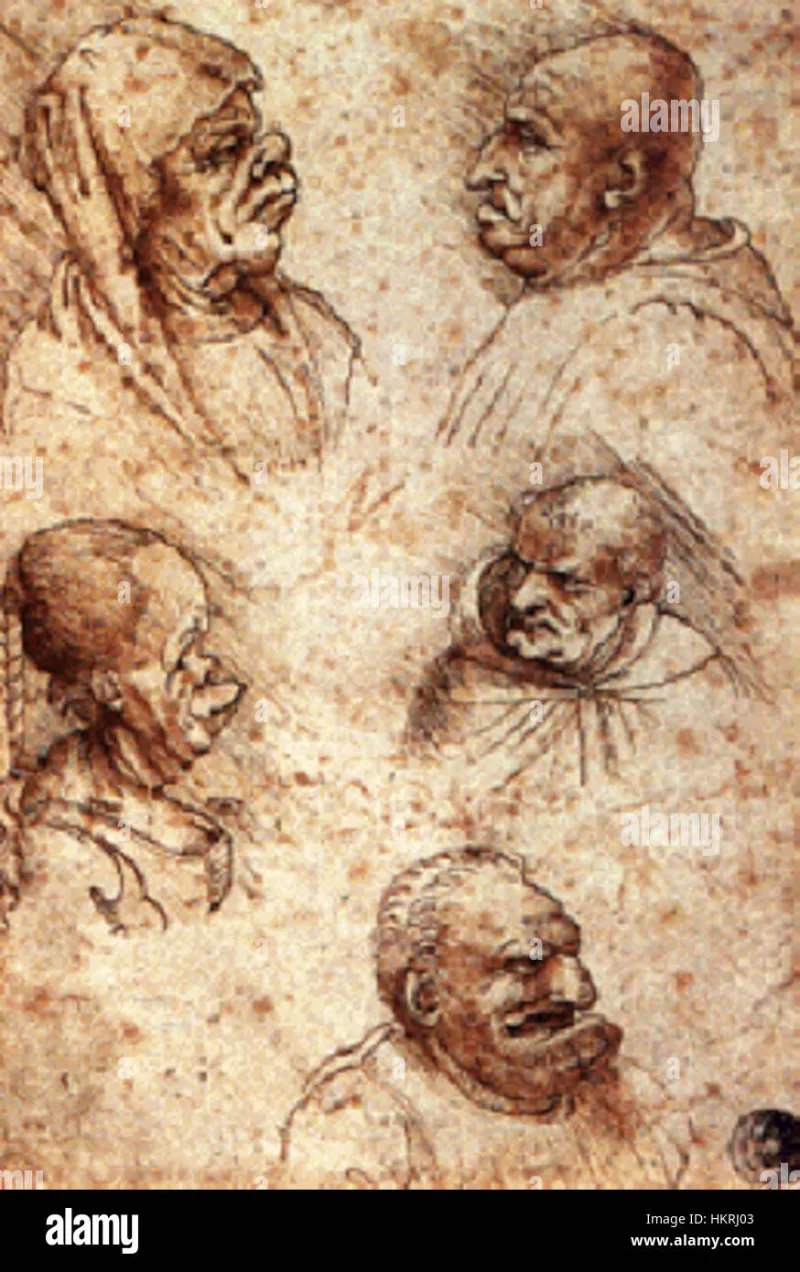
Here is an uncomfortable fact about Leonardo da Vinci's career: his most celebrated achievements were, by any modern grant-application standard, failures to deliver. The Adoration of the Magi, abandoned. The Battle of Anghiari, abandoned. The flying machines, the canal schemes, the giant horse for the Sforzas — unfinished, unbuilt, or destroyed.
And yet his patrons kept paying him. Not because they were soft-hearted, but because they understood what they were buying. They weren't purchasing objects. They were purchasing proximity to a mind.
What the Sforza Court Actually Bought
When Ludovico Sforza brought Leonardo to Milan, he gave him a residence, a stipend, a workshop with assistants, and access to the court's intellectual life. In return, Leonardo produced whatever the moment demanded: stage machinery, portraits, military engineering, architectural advice — and, along the way, the notebooks that constitute one of the greatest intellectual legacies in Western history.
The arrangement was, in effect, a residency. Patronage as residence: room, board, time, and table. The patron's return came not from a deliverables pipeline but from association with genius, from the ambient prestige of hosting it, and from the occasional spectacular result when one happened to emerge.
The American Model: Sponsorship, Not Patronage
Contrast that with how cultural funding works in the United States today. A billionaire gives $50 million to a museum and receives a wing with their name on it. A corporation sponsors an exhibition and gets logo placement. Foundations demand measurable outcomes, timelines, and evaluation metrics.
None of this is villainy — American museums would be far poorer, literally, without it. But it is a fundamentally different transaction. Naming-rights philanthropy buys visibility. Residence-model patronage buys possibility. And the things that most need funding in American art — experimental work, long-gestating projects, artists who don't produce on schedule — are precisely the things the deliverables model cannot accommodate.
What a Modern Medici Would Do
Picture it concretely. Instead of another wing, a modern patron endows open-ended residencies: five-year commitments to artists and thinkers with no exhibition requirement, no catalog, no KPIs — only a modest stipend, studio space, and a standing invitation to dinner. The patron's name appears not on the building but in a quiet line: "Residencies made possible by..."
It would require a psychological shift. Visibility, not impact, is what American donors currently purchase. But the Renaissance court understood something our philanthropic culture has forgotten: the most valuable cultural output often cannot be scheduled, scoped, or named in advance. Leonardo's notebooks were never a deliverable. They were a byproduct of someone being given the room to think.
The question for America's museum patrons is simple. Do you want your name on the wall, or do you want to be the reason the next Leonardo ever got to finish — or, more likely, gloriously fail to finish — the thing that changes everything?